
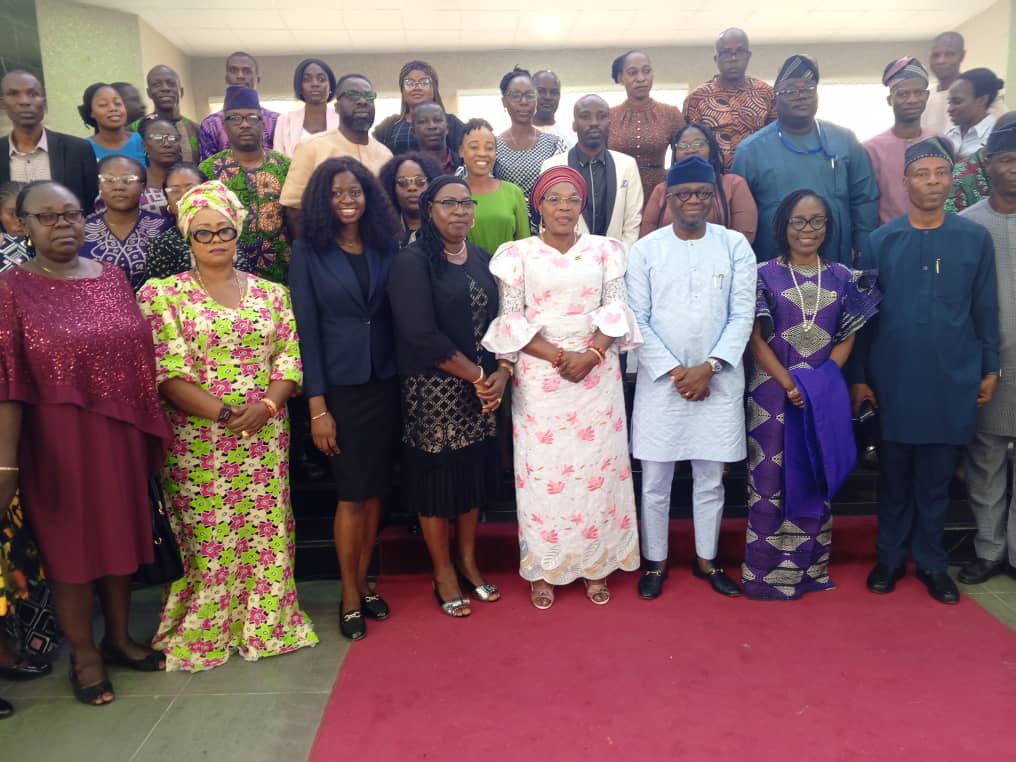
The Ekiti State Governor, Biodun Oyebanji, has declared that the inability of government at all levels to integrate the spiralling population rate into their development plans contributed largely to increasing poverty, hunger and neglect being suffered by Nigerians.
Oyebanji posited that a developing nation like Nigeria, with a rising and explosive population necessitated by an unbridled birth rate, must prepare a proper economic policy that will cater to all citizens to reduce the poverty index.
Oyebanji spoke in Ado Ekiti on Thursday while declaring open a seminar tagged: “Integration of Population Variables into Development Planning”, organised by the Ministry of Budget and Economic Planning and Bureau of Statistics.
The governor, represented by his Deputy Chief (Mrs) Monisade Afuye, charged the governments to devise ways of having appropriate population data that can guide policymakers in making strategic economic decisions that can benefit the nation.
Oyebanji said the frightening indices of hunger and food insecurity, deprived population, unemployment, crime and associated social actions make it imperative for the government to plan for its population.
He commended the Ministry of Budget and Economic Planning for putting together the workshop, believing that it will significantly assist in addressing the topical issue of identification of population variables to be integrated into the development plans.
Reminiscing on the trajectory of past actions taken by the government, Oyebanji, said: “The National Policy on Population for Sustainable Development was enunciated in 1988 and revised in 2004 owing to emerging issues such as rising poverty, food insecurity, HIV/AIDS, effects of population on environmental degradation, special needs for the girl-child and the vulnerable, reproductive and sexual health matters, women empowerment and gender equity/equality.
“The revised policy, therefore, aims at improving the standard of living and quality of life, promoting maternal and child health, achieving a lower population growth rate and addressing the issue of internal migration and population distribution.
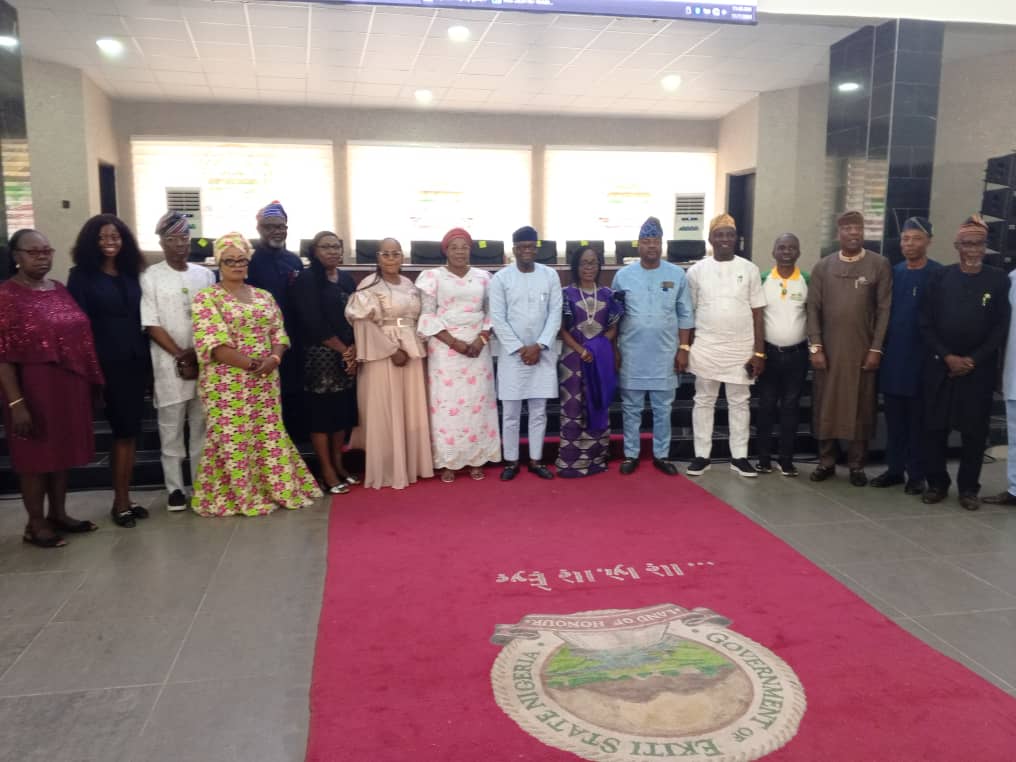
“Other goals to be achieved are sustained economic growth, poverty reduction, and capacity building to assure a strong and immediate response to the outbreak of any pandemics and other related infectious diseases, balanced and integrated urban and rural development as well as the balance between the rates of population growth, available resources and socio-economic development of the country.
“With the continuous increase in population due to high birth rate and other associated matters, it is imperative, perhaps more than ever before, to integrate population variables into development planning to make our planning people-centred”.
Oyebanji added it was in the realisation of the explosive population that the six pillars of his administration were crafted to cover thematic areas like Human Capital Development, Agriculture and Rural Development, Industrialization, Good Governance, Arts, Culture and Tourism, Youth Development and Job Creation.
“Let me reiterate that the present administration led by our visionary Governor will continue to make people the centre of our planning and development efforts. I urge all individuals, and government and non-governmental agencies to key into this initiative and support the efforts of the State Government”, he assured.
In his submission, the Commissioner for Budget and Economic Planning, Mr Oyeniyi Adebayo, applauded Oyebanji for capturing the poor masses, youths, pensioners and all the strata of Ekiti in his development plans.
Adebayo urged the participants to place high interest in the intellectual discourse, to be able to garner the knowledge of using population variables for the actualisation of the development plans of the government.
In their contributions, the Commissioners for Women’s Affairs, Peju Babafemi, Capacity Building, Prof. Patrick Tedela, Information, Taiwo Olatunbosun, Director General/Special Adviser, Office of Transformation and Delivery, Dr. Moyo Ekundayo, described planning as central to development.
They said the government at all levels could no longer exclude the dynamics of the population from its development plans, saying available data brings a pragmatic approach to tackling the economic indices confronting the citizens.
