
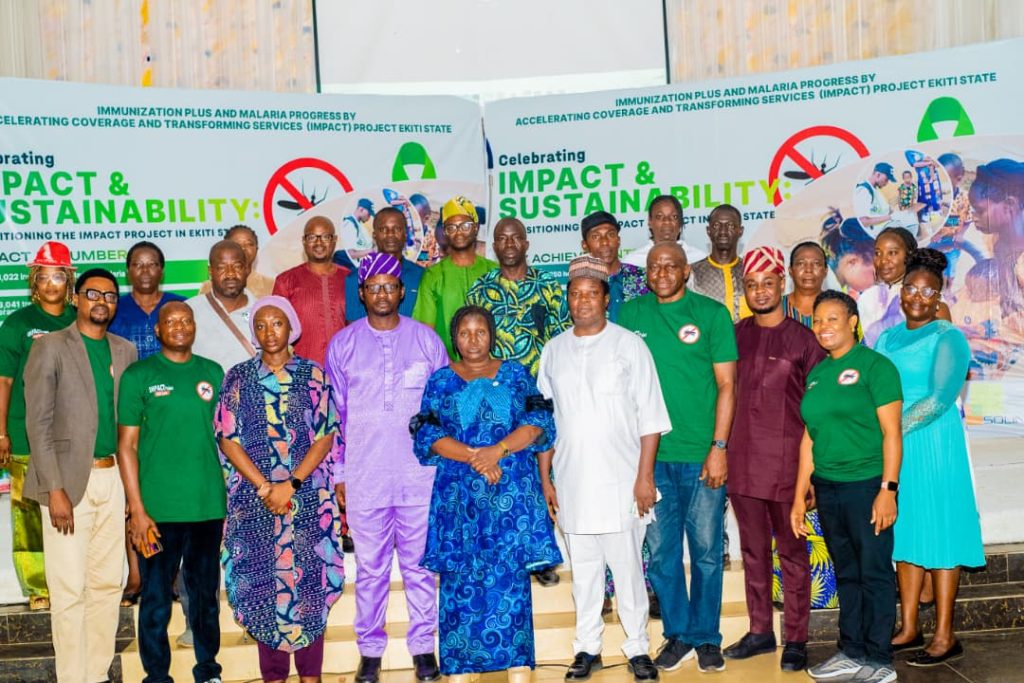
Ekiti State Government has formally taken over the Immunisation Plus and Malaria Progress by Accelerating Coverage and Transforming Services (IMPACT) Project, a World Bank-supported initiative that has recorded major breakthroughs in malaria prevention and treatment across the state.
The transition ceremony, held at the Amassing Grace Event Centre in Ado Ekiti, marked the end of over two years of intensive implementation by Solina Health and the beginning of full government stewardship of the programme.
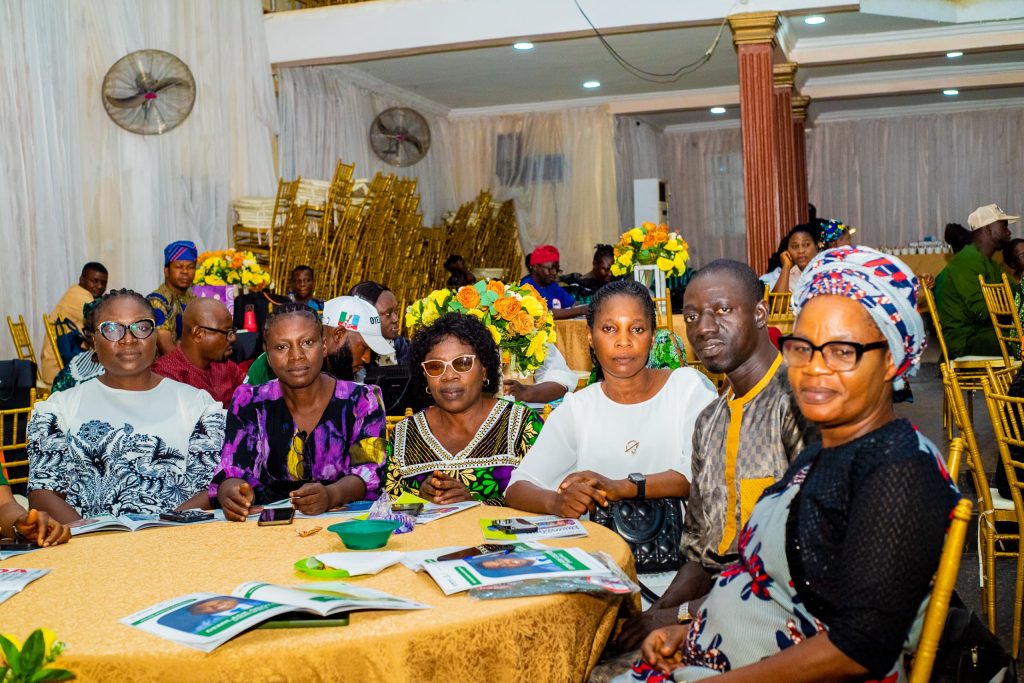
Speaking at the event, Ekiti State Commissioner for Health and Human Services, Dr Oyebanji Filani, represented by the Permanent Secretary of the ministry, Mrs Shola Igotun, commended Solina Health, the World Bank and frontline stakeholders across all local government areas for what she described as a transformational impact on community health.
She said the administration of Governor Biodun Oyebanji had consistently provided policy direction, funding support and an enabling environment that made the achievements of the programme possible.
According to her, the state government is fully ready and committed to sustaining the gains, adding that the handover would not lead to any setback in service delivery.
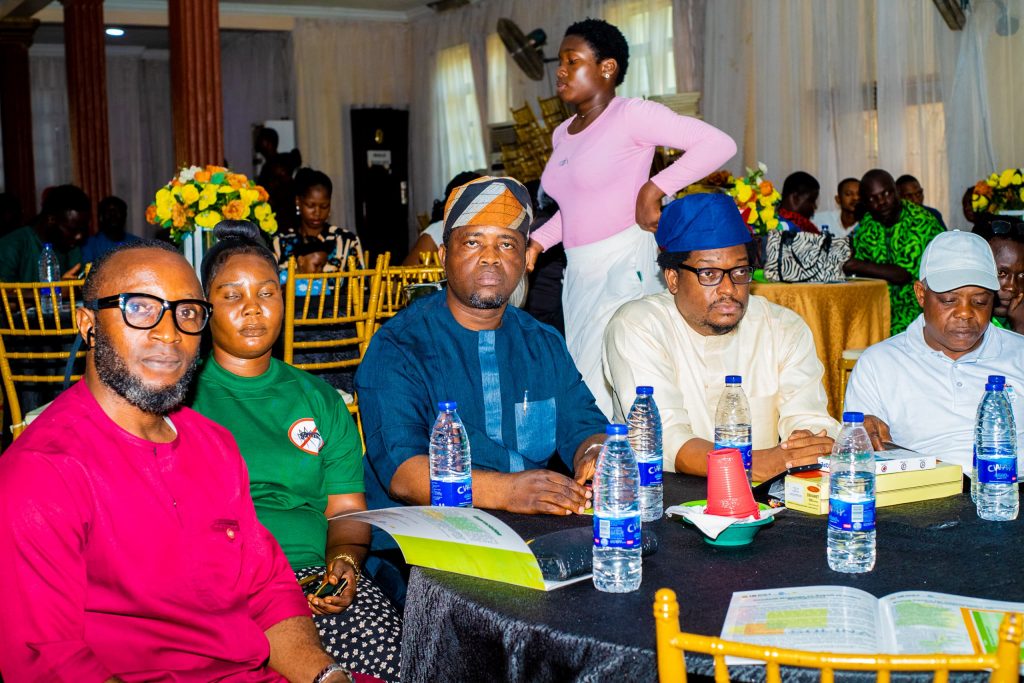
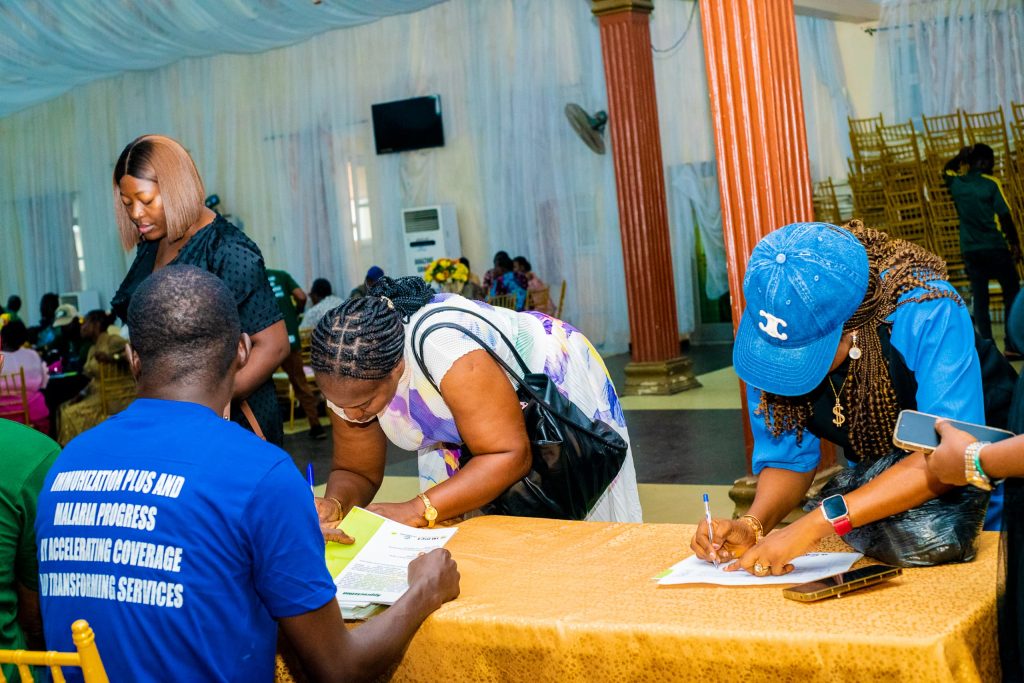
In her remarks, Senior Manager at Solina, Dr Hidaya Bello, who represented the Principal of Solina, Dr Abdulateef Salisu, appreciated all implementing partners, community structures and health workers for their dedication throughout the project lifecycle.
She assured that Solina would continue to partner with the Ekiti State Government to maintain and build on the momentum achieved.
“The collaboration, resilience and shared ownership demonstrated across the 16 LGAs played a major role in achieving these results. We are confident that Ekiti State is committed to sustaining the impact,” she said.
The Director of Solina Health in Ekiti State, Dr Daniel Abraham, while, highlighting achievements recorded under the initiative, praised the Ekiti State Government for providing an enabling environment that contributed significantly to the success of the IMPACT project over the last two years.
He also appreciated stakeholders across all 16 LGAs and 177 wards for their consistent collaboration, noting that their collective support made implementation smooth and impactful.
Also, the IMPACT Project Coordinator and State Malaria Elimination Programme Manager, Dr Folu Ekundare, presented an overview of the intervention, noting that Nigeria still bears one of the highest malaria burdens globally, making sustained efforts essential.
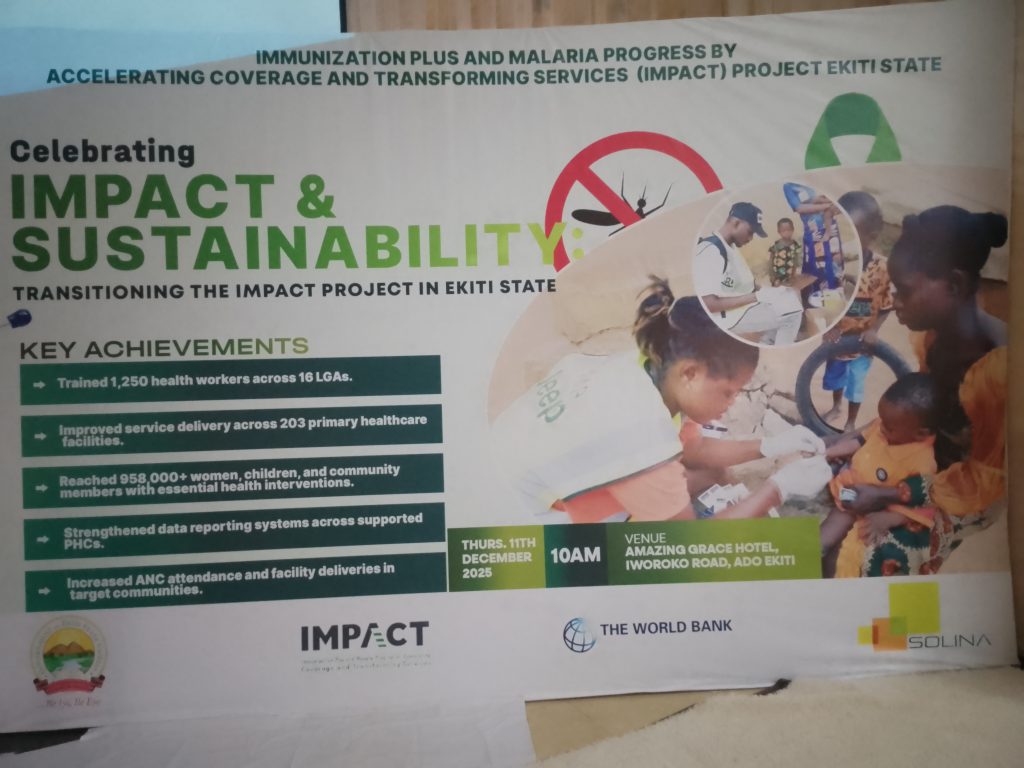
He outlined key achievements of the project, including 1,250 health workers trained on updated malaria case-management guidelines, Improved service delivery in 203 primary healthcare facilities across the state and 958,000+ women, children as well as community members reached with targeted interventions.
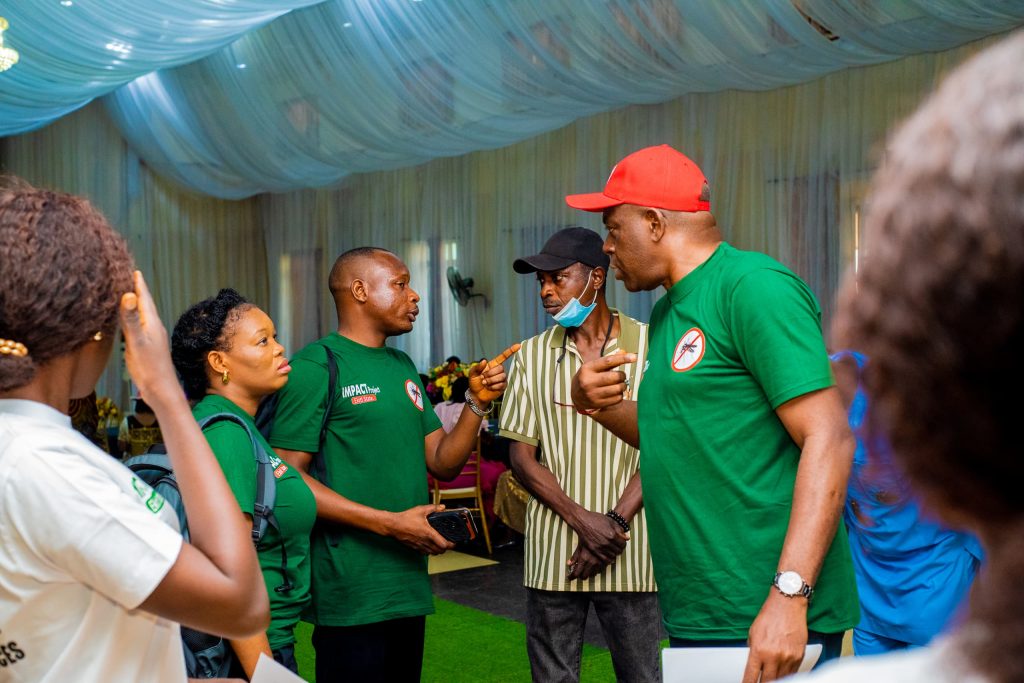
Other areas are strengthening of data reporting systems, leading to better planning and decision-making and improved antenatal care attendance and facility-based deliveries in targeted communities.
Dr Ekundare added that the project distributed thousands of insecticide-treated nets, implemented indoor residual spraying in high-transmission areas, improved supply chains for rapid diagnostic tests (RDTs), ACTs, SP, and Artesunate, and expanded community awareness campaigns on prevention and early care-seeking.
Technical leads on the project, Dr Caroline Charles and pharmacist Zakariyau Haruna, discussed lessons learned, including the value of strong community engagement, cross-sector collaboration and continuous health worker training.
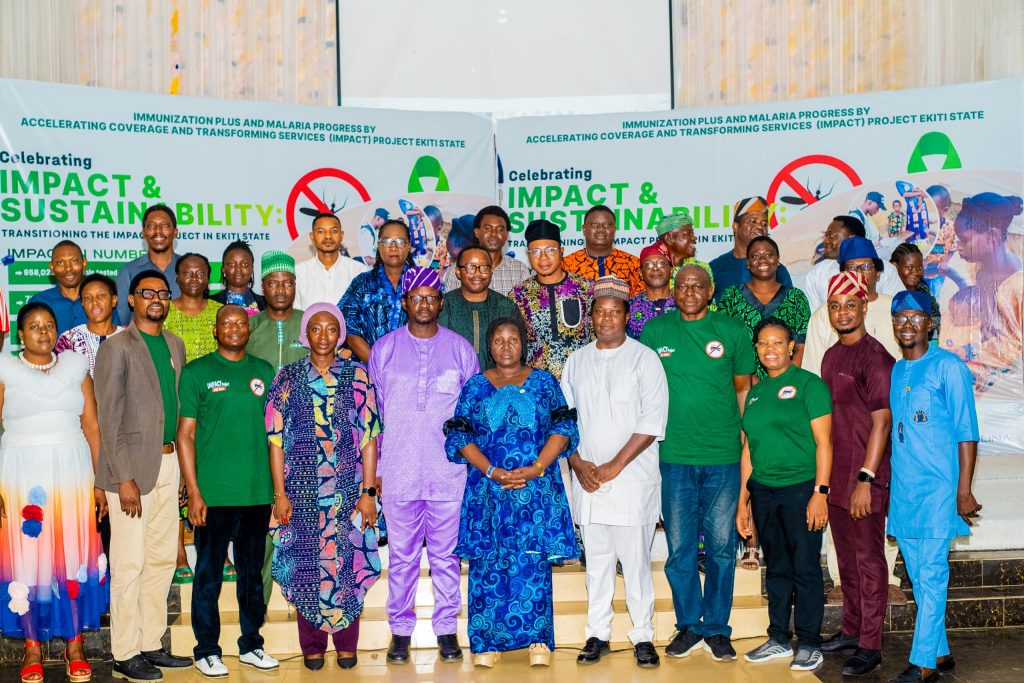
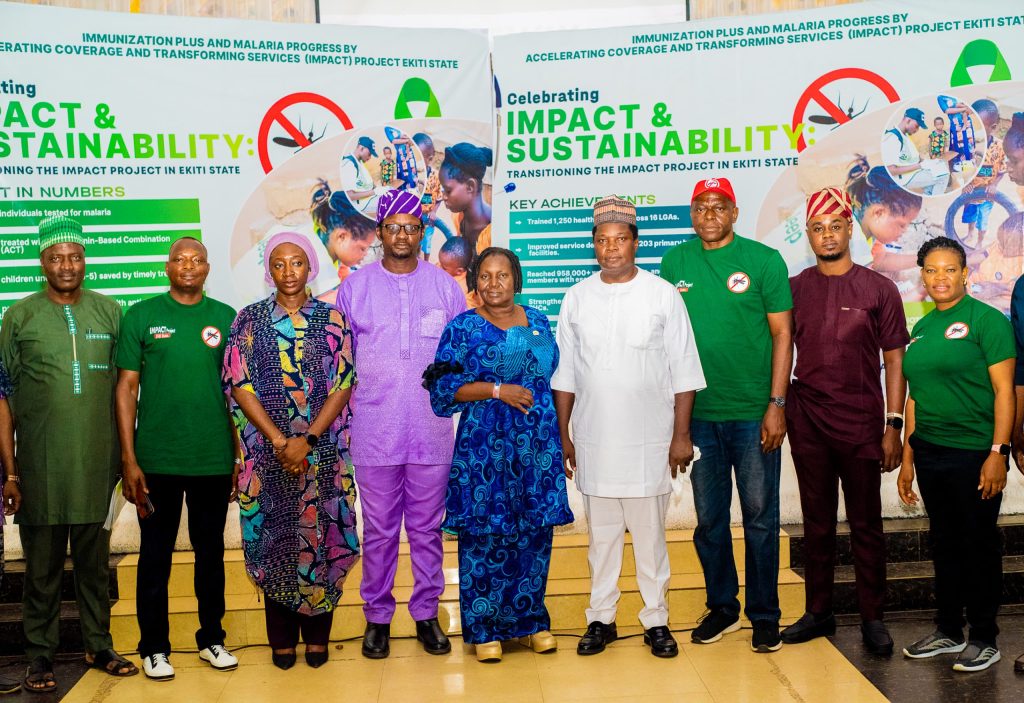
They noted, however, that challenges such as healthcare waste management and initial community resistance were encountered.
According to them, the obstacles were resolved through the active support of the state government and continuous community dialogue.
In their goodwill messages, the General Manager of the Drug Management Agency, Mr Kolawole Olajide; Permanent Secretary, Hospital Management Board, Dr Olasunkanmi Alabi; and Chairperson, Ekiti State Primary Health Care Development Agency, Dr Funke Ogunbunmi, attested to the visible improvements in malaria services and health outcomes across the state.
They expressed optimism that the state government’s takeover would help consolidate and extend the gains recorded.
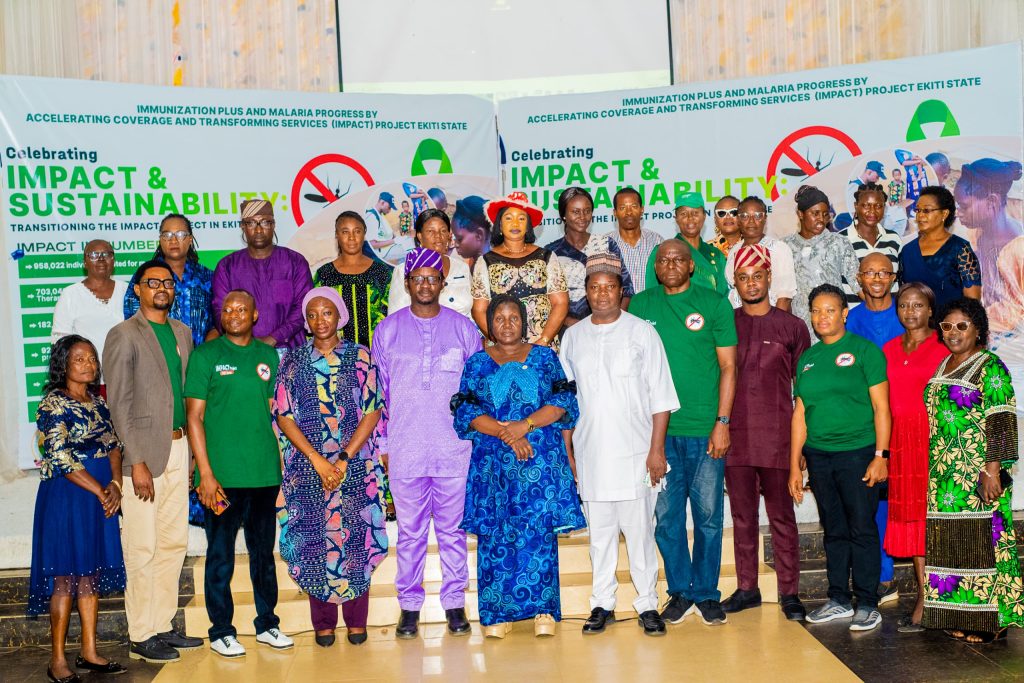
Some field workers and community beneficiaries also testified that the project improved access to prompt malaria diagnosis, strengthened health facilities, and increased community knowledge on malaria prevention.
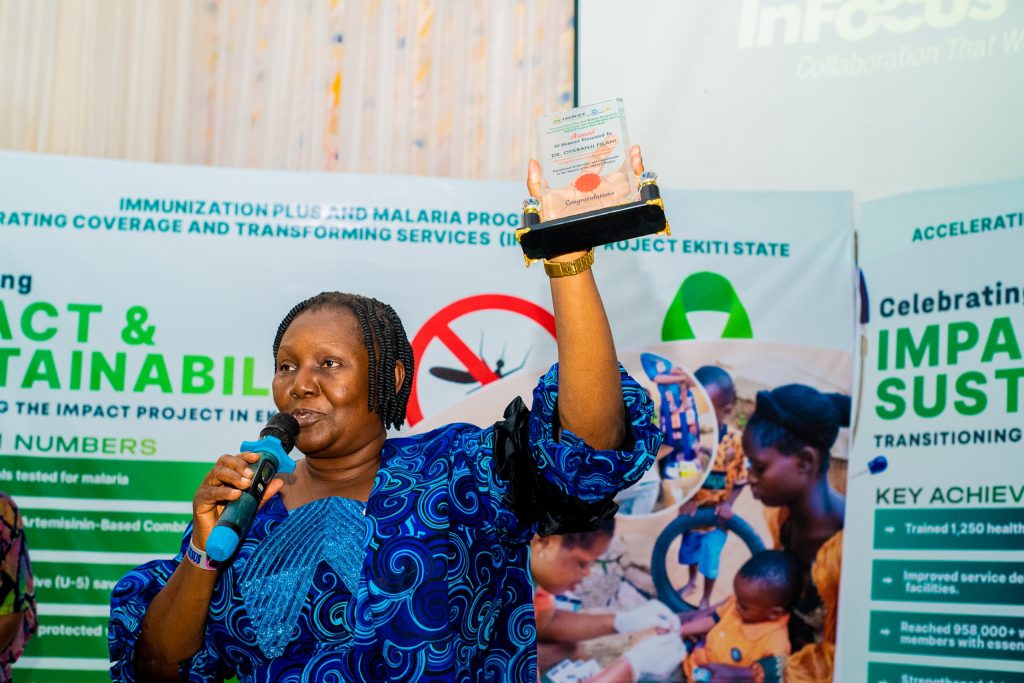
As part of appreciation for the successful rollout of the project, Solina Health presented awards to key supporters, including the Commissioner for Health, Dr Oyebanji Filani; Permanent Secretary, Mrs Shola Igotun; and Programme Coordinator, Dr Folu Ekundare, for their exceptional roles in driving the initiative.
