
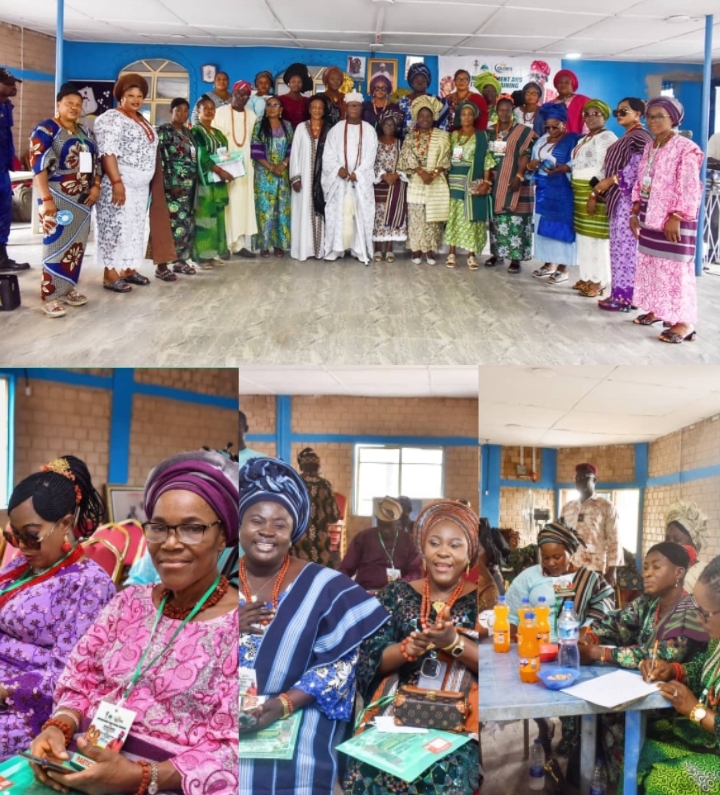
A lawmaker representing Ekiti Central Federal Constituency Two in the House of Representatives, Mr Biodun Omoleye, has reaffirmed his commitment to strengthening traditional institutions through strategic empowerment and leadership development initiatives as part of efforts towards preserving heritage and promoting good governance in palaces.
He stated this during ethical training and empowerment programme for queens in the constituency, held at the palace of the Ojurin of Ijurin-Ekiti, Oba Joachim Ajibola.

The programme, organised in partnership with the Benin-Owena River Basin Development Authority and CWM Contracting Limited and brought together queens, traditional rulers and other stakeholders to equip the participants with the knowledge, ethical standards and administrative skills required to support their husbands and contribute meaningfully to the development of their communities.

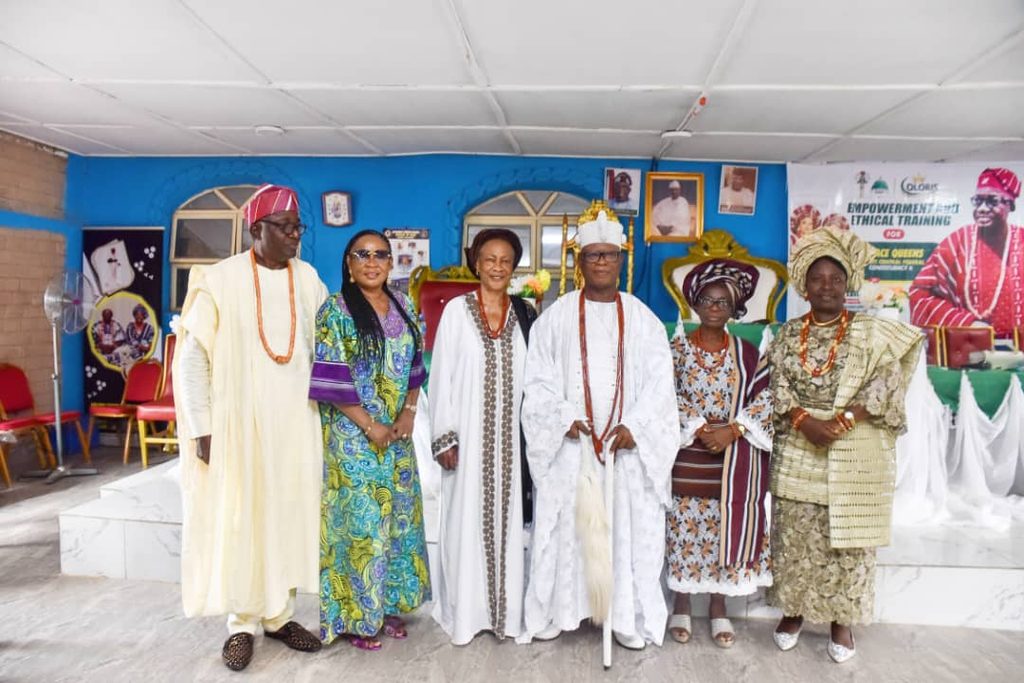
Omoleye said the initiative was part of his campaign promises to empower traditional institutions, noting that effective palace administration had become increasingly demanding and required the active involvement of queens who understood their responsibilities and the ethical principles guiding their positions.
He explained that observations of certain gaps in palace administration informed the decision to organise the training, which also provided an opportunity for the queens to understand their entitlements and the benefits available to traditional institutions from government and their respective communities.
The lawmaker urged the participants to use their positions to promote unity, peace and development, drawing attention to the contributions of notable royal wives in history whose influence and service to their communities had earned them enduring recognition.
Omoleye expressed the expectation that the training would inspire the queens to strengthen their roles in palace administration, support their husbands in the discharge of traditional responsibilities and become active contributors to community development.
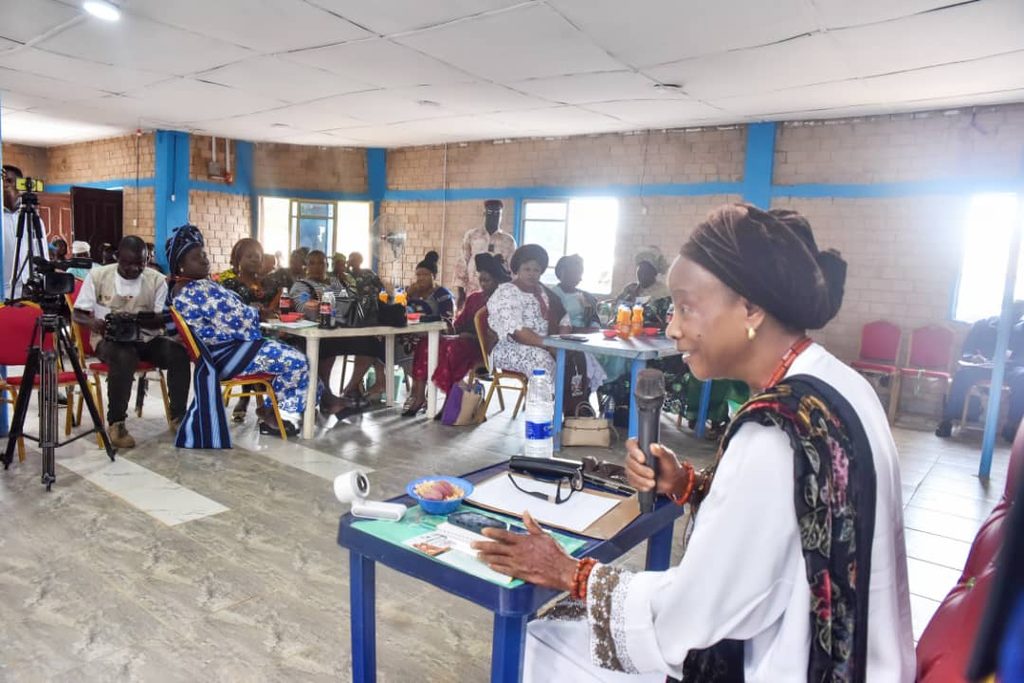
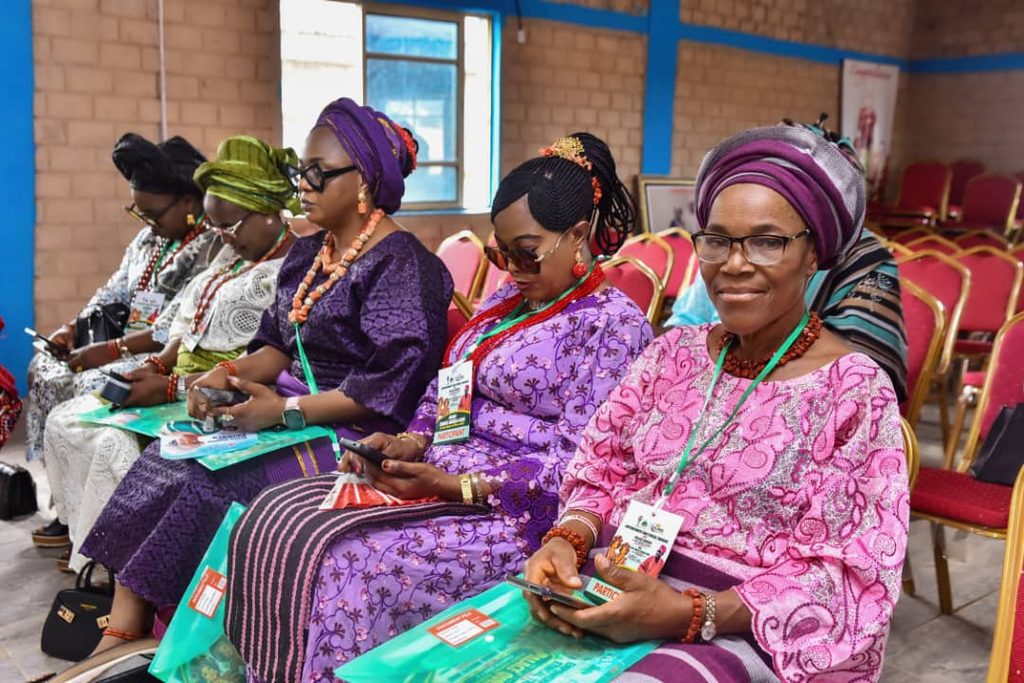
Delivering a lecture, the former Regent of Ilasha Ekiti and Nigeria’s Ambassador to the Republic of Congo, Princess Jolaade Onipede, described queens as indispensable partners in the success of traditional rulers, stressing that their conduct and relationships within the palace could significantly influence the stability and reputation of the traditional institution.
She urged the queens to cultivate integrity, humility, patience, tolerance, compassion, hospitality and respect, noting that these qualities were essential for managing royal households and maintaining harmonious relationships with palace chiefs, family members and community stakeholders.
Onipede cautioned the participants against betrayal, conspiracy and actions capable of undermining the authority of their husbands, emphasising that the position of an Olori required discretion, diplomacy and a strong sense of responsibility.
She also advised them to be careful about admitting outsiders into sensitive palace affairs, describing queens as important pillars of support whose actions should protect the dignity, security and integrity of the traditional institution.
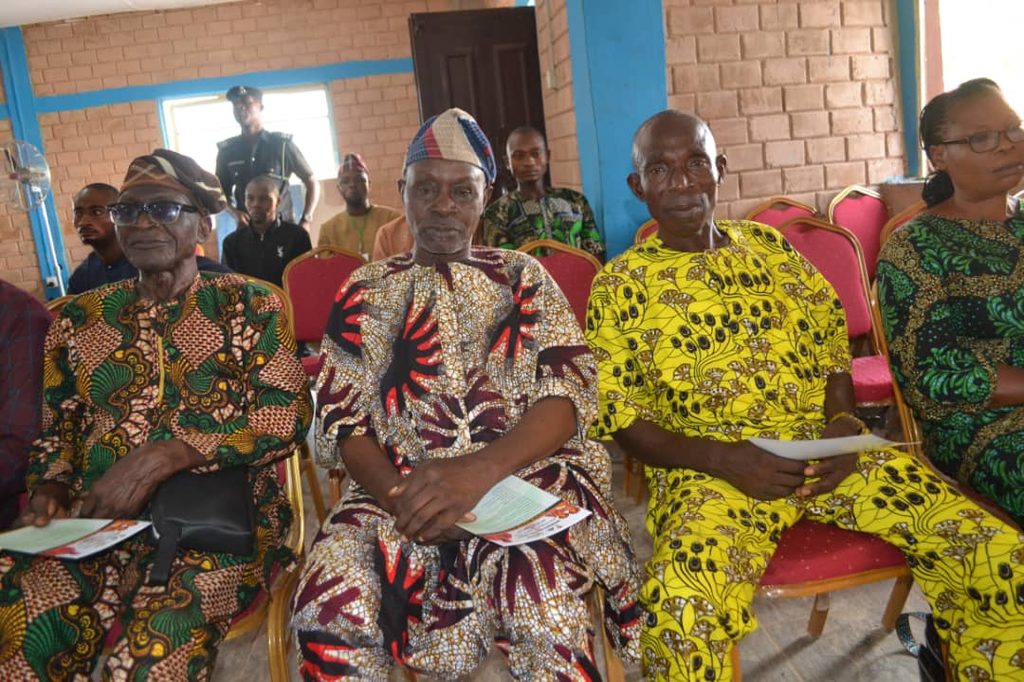
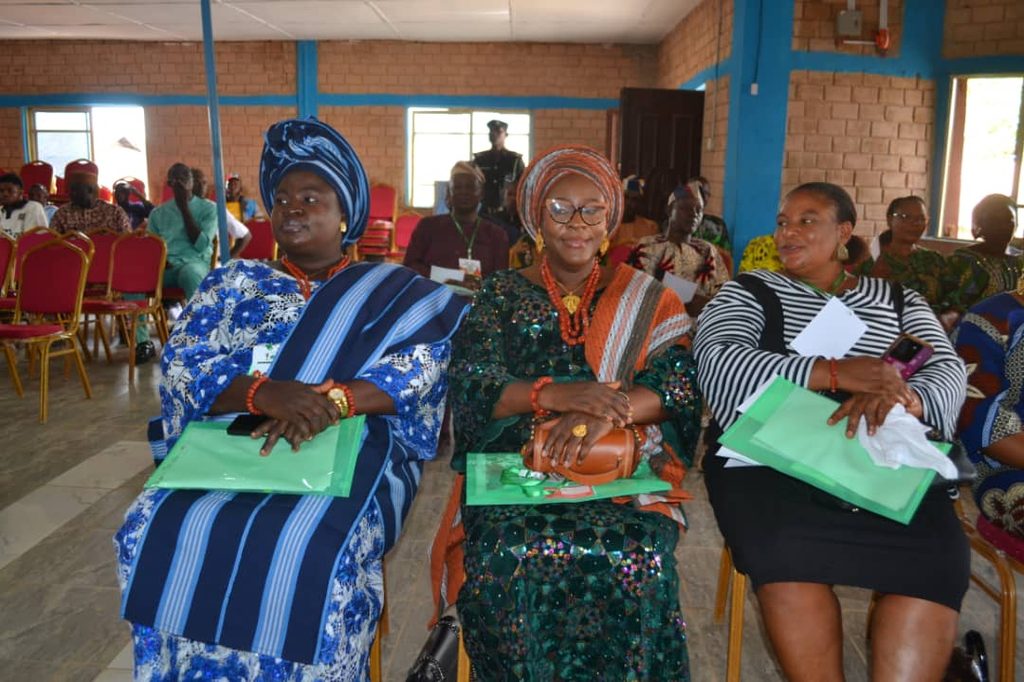
The former regent noted that palace administration was an enormous responsibility requiring the collective efforts of monarchs and their wives, adding that queens must demonstrate wisdom and maturity in handling disagreements and other sensitive matters that could arise within the palace.
In a separate lecture, Sir Olusola Omodara outlined the administrative responsibilities expected of queens, including ensuring the smooth running of royal households, providing guidance on their children’s education, supervising household staff and managing the private affairs of the royal family.
He stressed the need for the participants to approach the responsibilities with discipline, accountability and sound judgement, noting that effective management of the royal household would complement the monarch’s traditional leadership responsibilities.
Declaring the programme open, the Owa Ajero of Ijero Kingdom, Oba Adebayo Adewole, who spoke on behalf of monarchs in the constituency, commended Omoleye for organising the initiative, describing it as a valuable opportunity to strengthen the capacity of queens and improve their contributions to traditional institutions.
The monarch assured the participants of the support of their royal fathers in applying the knowledge acquired during the training, expressing confidence that the initiative would enhance cooperation within the palaces and promote better community relations.
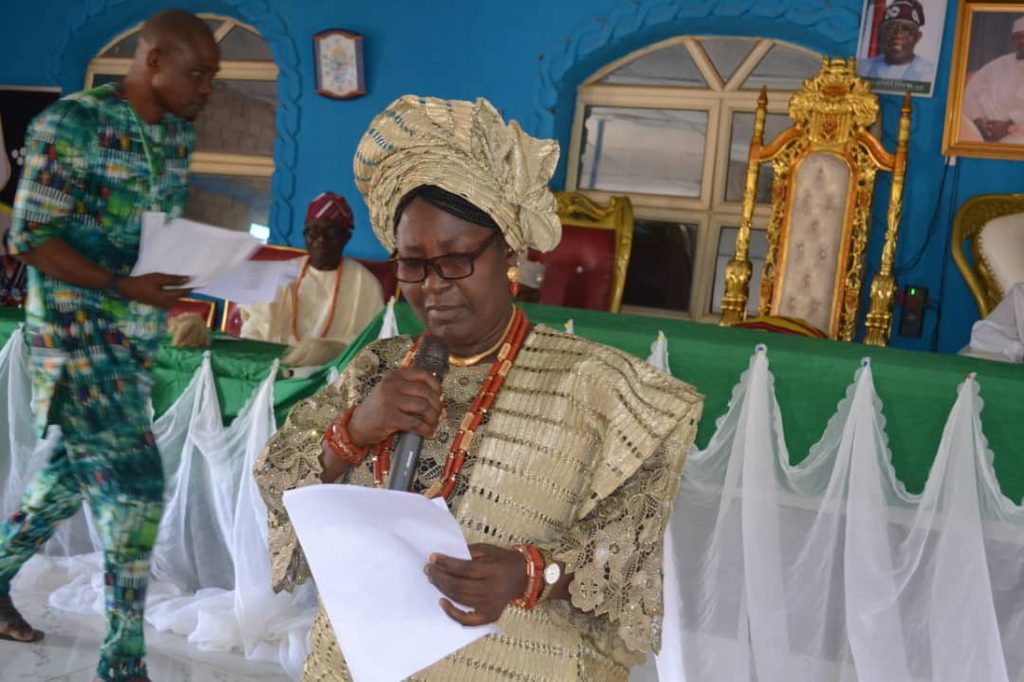
Oba Adewole also acknowledged the support of the Speaker of the House of Representatives, Dr Tajudeen Abbas, towards the programme.
Earlier, the host Olori of Ojurin Ekiti, Christiana Ajibola, said the initiative recognised the important but often understated responsibilities queens undertake in supporting monarchs who regularly contend with community expectations, criticism, confrontations and other challenges associated with traditional leadership.
She explained that queens play vital roles in providing emotional support, maintaining stability at home and helping their husbands navigate the demands of public service.
Olori Ajibola expressed appreciation to Omoleye for creating a platform through which the queens could share experiences, learn from experts and acquire additional knowledge to strengthen their capacity to support their husbands and the traditional institutions they represent.
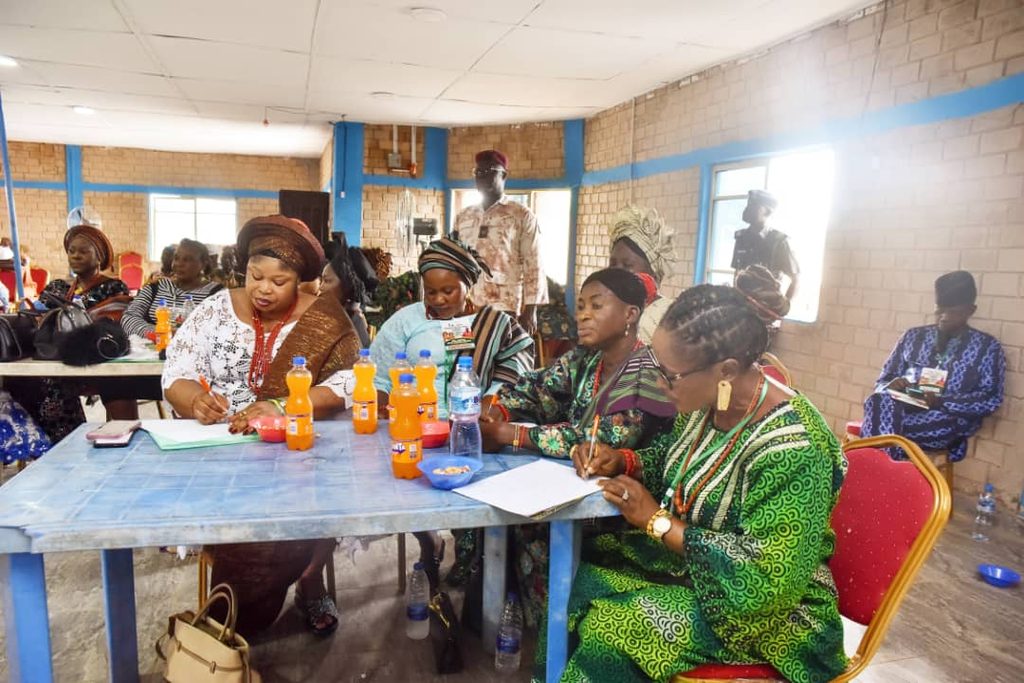
Some of the participants, including Olori Bola Aladejare of Efon Alaaye, Olori Abike Ajewole of Ijero and Olori Funmilola Oladele of Ipole Iloro Ekiti, also commended the lawmaker for organising the training.
They described the programme as timely and beneficial, expressing optimism that the lessons would improve their understanding of palace ethics, strengthen their administrative abilities and enable them to contribute more effectively to peace and development in their respective communities.
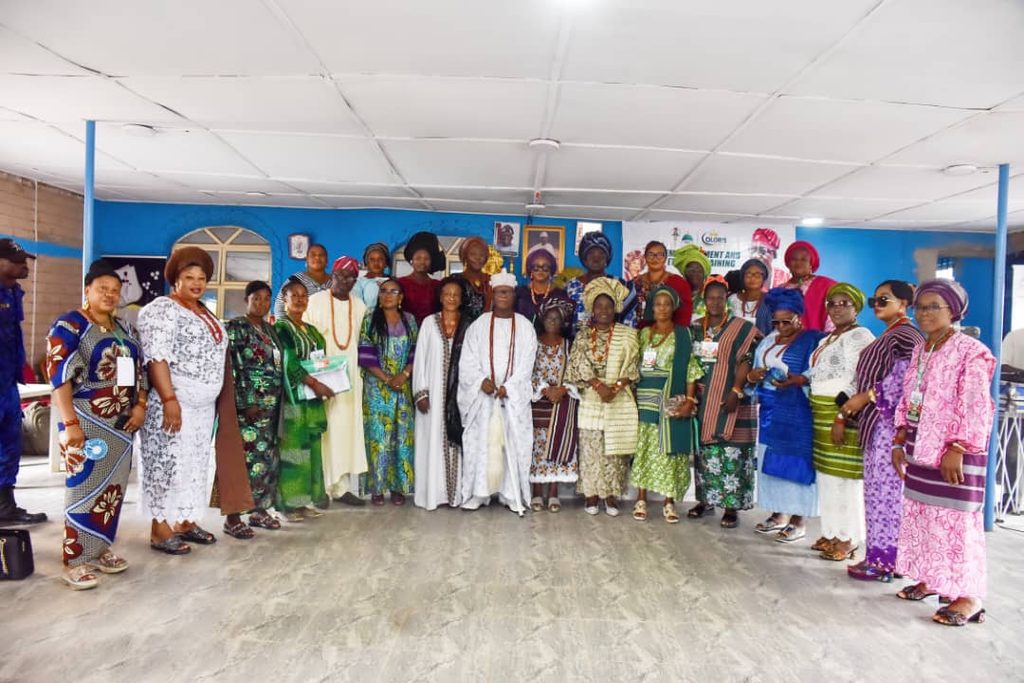
The participating Oloris also called for the programme to be reorganised and expanded to accommodate more queens, noting that wider participation would enable more members of the traditional institution to benefit from the training and improve their understanding of palace ethics and administration.
