
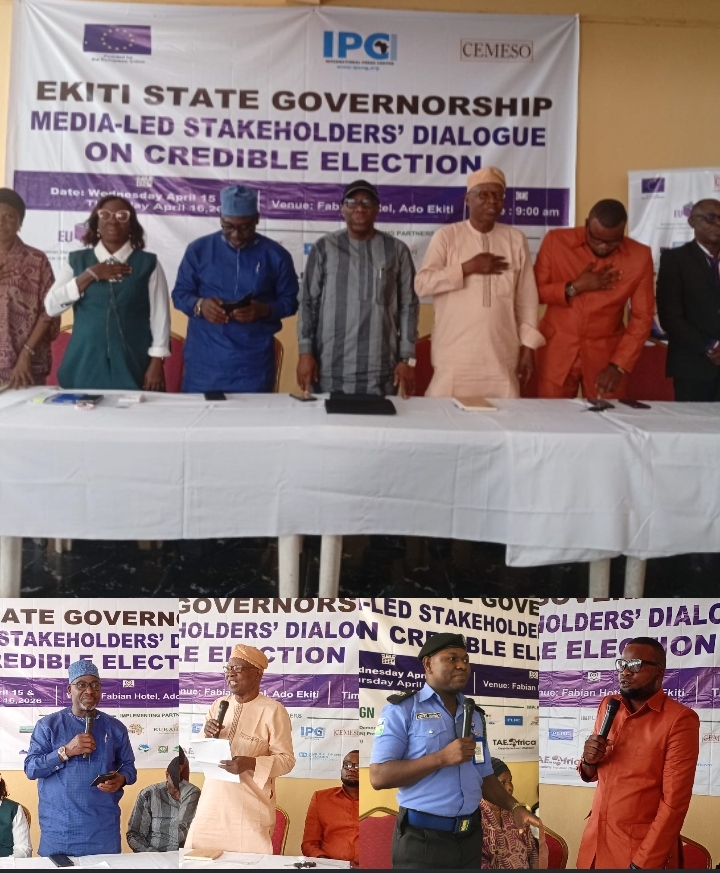
Key stakeholders in Nigeria’s electoral process have raised fresh concerns over misinformation, voter apathy and security threats ahead of the Ekiti State governorship election, calling for stronger collaboration and professionalism to safeguard the integrity of the poll.
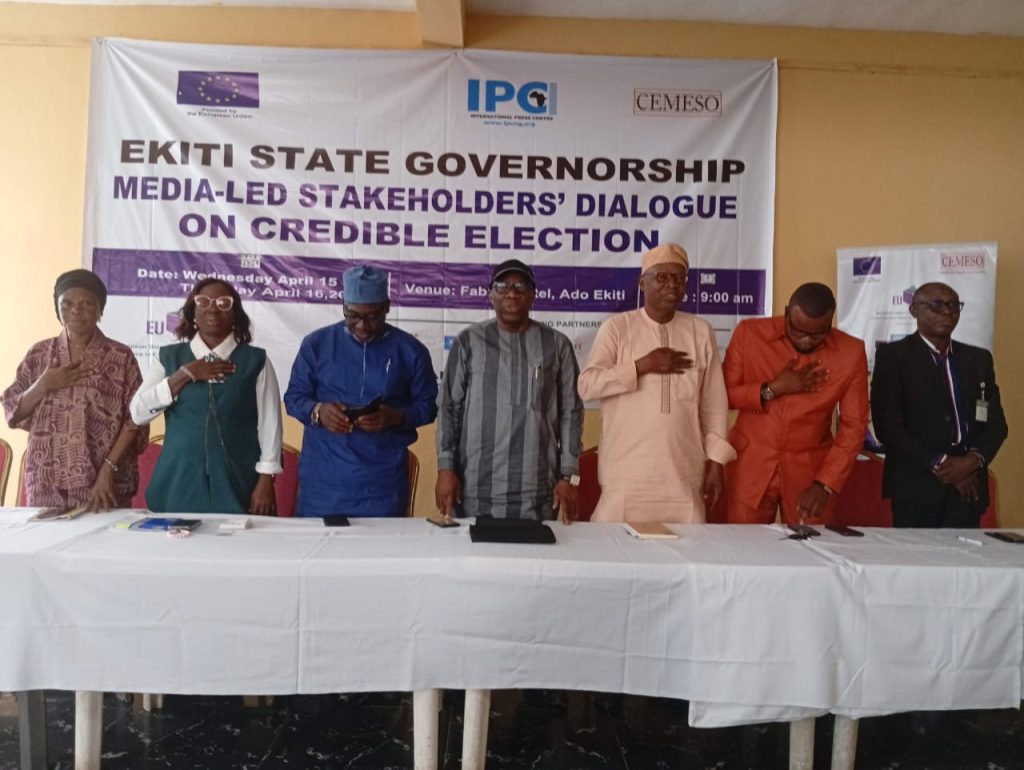
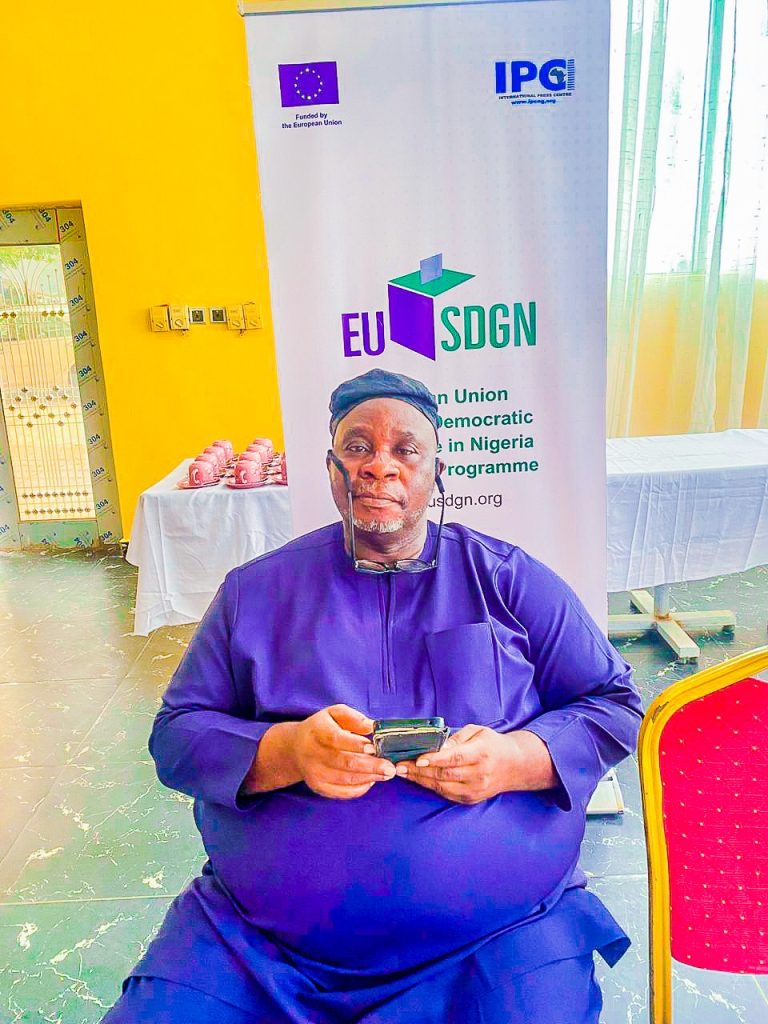
This formed the crux of deliberations at a two-day Ekiti State Governorship Media-led Stakeholders’ Dialogue on Credible Elections, held in Ado Ekiti on April 15 and 16, 2026, where media practitioners, electoral officials, security agencies, and civil society actors converged to chart a pathway to a free, fair, and credible election.
The engagement, supported by the European Union under its EU-Support to Democratic Governance in Nigeria (EU-SDGN II), Component 4: Support to Media, focused on strengthening journalists’ capacities to deliver factual, balanced, fair and issue-based reporting throughout the electoral cycle.
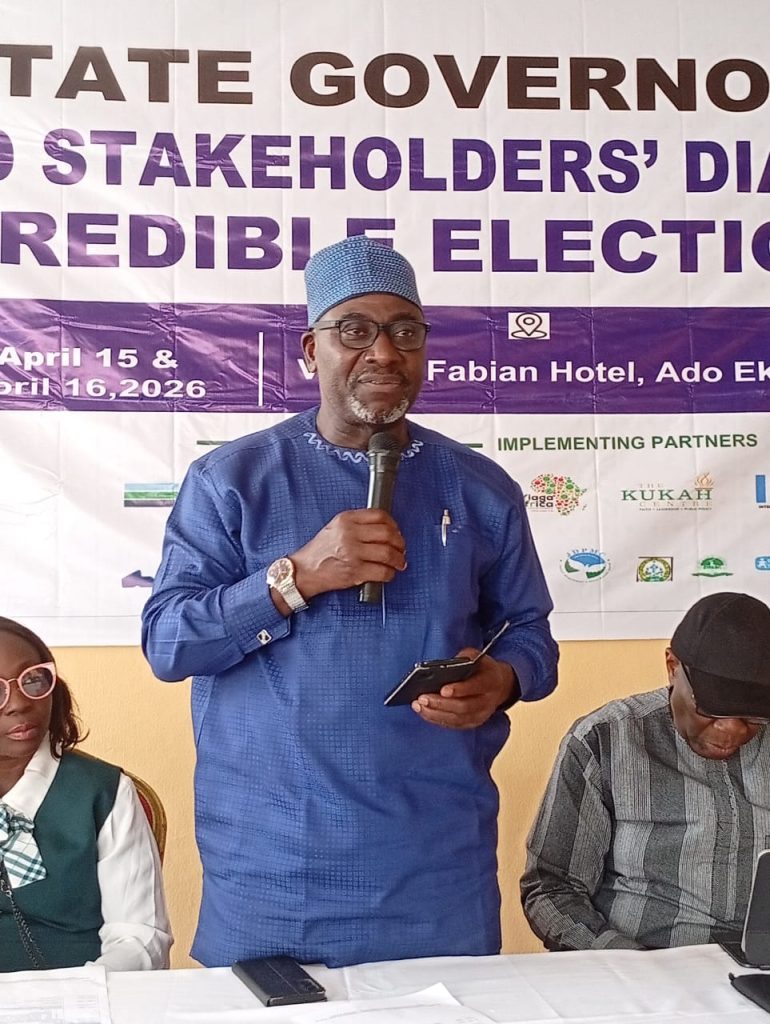
Speaking at the opening session, Executive Director of the International Press Centre (IPC), Mr Lanre Arogundade, said the workshop was convened to address persistent gaps in election coverage and reinforce the media’s role as a watchdog in a democratic setting.
He stressed that credible elections depend significantly on the quality of information available to the public, urging journalists to prioritise accuracy, fairness and objectivity in their reports.
According to him, the dialogue was designed to stimulate meaningful engagement among stakeholders and deepen the synergy necessary for a peaceful and transparent poll.
While underscoring the importance of fact-checking and inclusive reporting in building public trust, Arogundade said Journalists must focus on issues and not personalities, so that voters can make informed decisions.
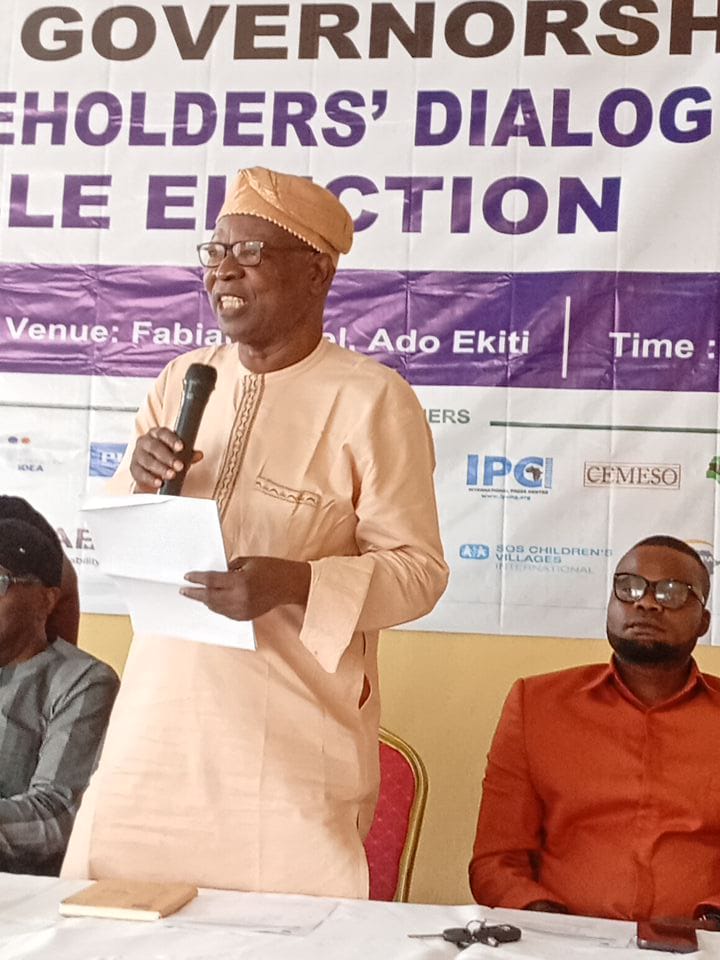
Also speaking, Executive Director of the Centre for Media and Society, Mr Akin Akingbulu, identified major impediments to credible elections, including insecurity, political interference, vote buying and voter apathy.
He noted that addressing these challenges requires deliberate and collective action from all actors in the electoral ecosystem.
On the part of the electoral umpire, the Resident Electoral Commissioner (REC) in Ekiti State, Dr Bunmi Omosehindemi, reaffirmed the readiness of the Independent National Electoral Commission (INEC) to conduct a credible poll.
He described the media as an indispensable partner in the electoral process, noting that INEC had deployed measures, including improved voter access systems and strengthened collaboration with security agencies, to ensure a hitch-free exercise.
Omosehindemi added that the commission was working closely with the Nigeria Union of Journalists (NUJ) to accredit bona fide journalists, in a bid to curb the spread of misinformation.
He, however, urged media organisations to prioritise the welfare of their reporters, particularly by providing insurance coverage, while also admonishing journalists to verify information before publication.
The Ekiti State Police Command also assured residents of adequate security before, during and after the election.
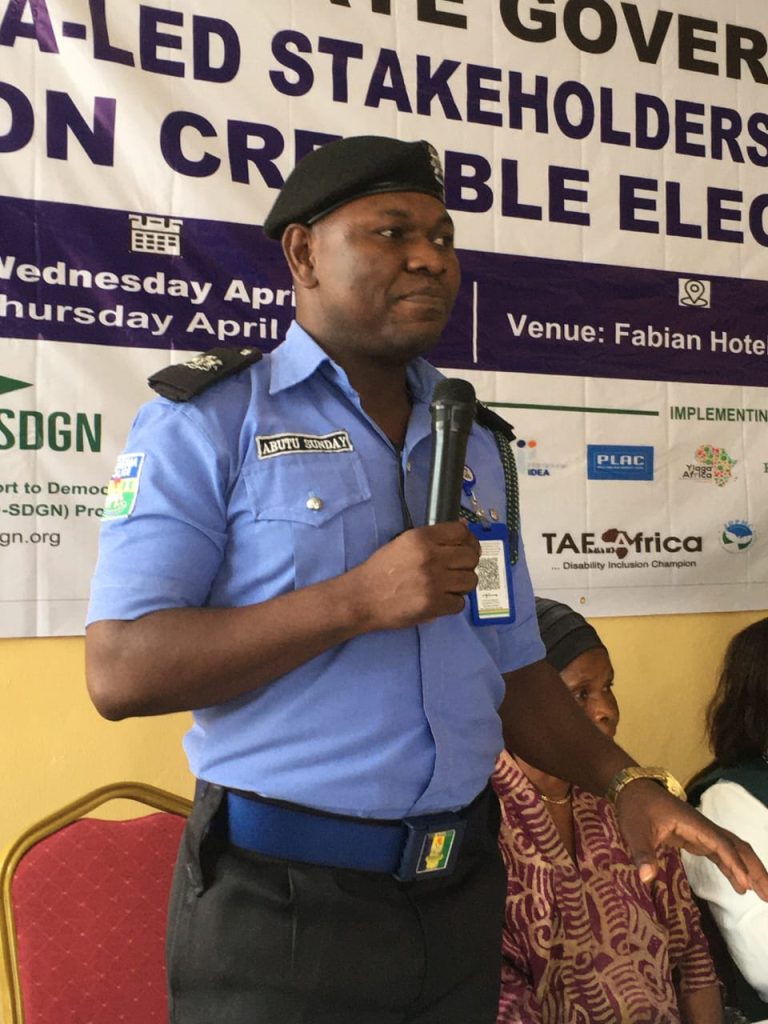
Speaking on behalf of the Commissioner of Police, the Police Public Relations Officer, SP Sunday Abutu, said the command had rolled out strategic measures to guarantee the safety of voters, electoral officials and journalists.
He warned that anyone attempting to disrupt the electoral process would be arrested and prosecuted, while encouraging the electorate to come out without fear to exercise their civic rights.
Abutu further called on journalists to cooperate with security agencies, assuring them of protection in the line of duty.
Similarly, the Nigeria Security and Civil Defence Corps (NSCDC) through its Public Relations Officer, Mr Tolu Afolabi, emphasised the need for closer synergy between security agencies and the media to ensure seamless information flow and effective election management.
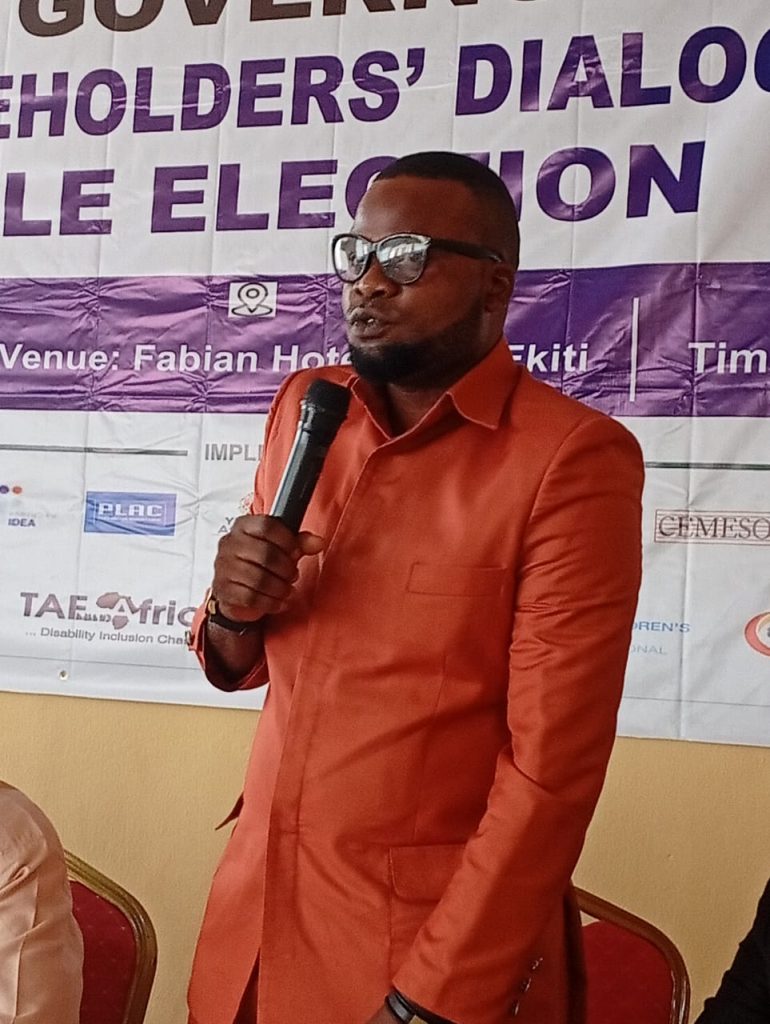
In her remarks, the Director of the National Orientation Agency (NOA) in Ekiti State, Mrs Oluwakemi Akomolede, disclosed that the agency had intensified voter education campaigns to tackle apathy.
She said NOA had been engaging religious institutions, schools and community groups to sensitise citizens on their electoral rights and responsibilities.
Akomolede cautioned against the dissemination of unverified information, particularly on digital platforms, warning that such actions could undermine the credibility of the electoral process, urging security agencies to respect the rights of journalists and citizens during the election.
The Chairman of the Nigeria Union of Journalists (NUJ) in Ekiti State, Mr Kayode Babatuyi, described the workshop as timely, noting that journalism remains a dynamic profession that requires continuous learning and adaptation.
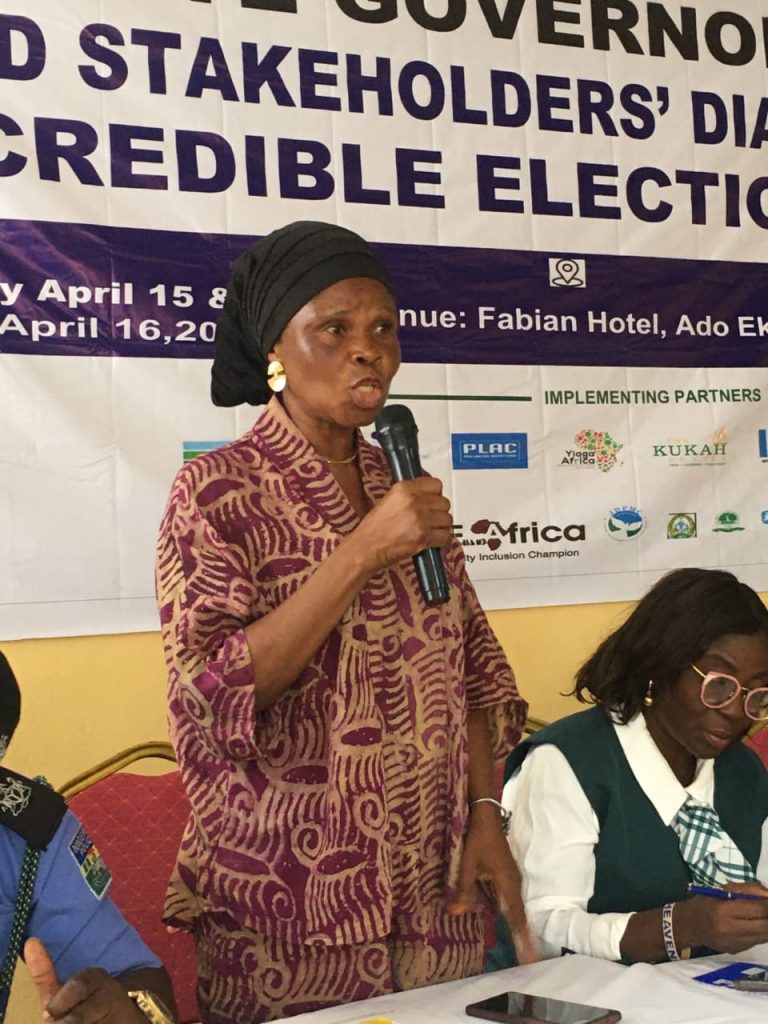
He charged journalists to uphold professionalism and remain responsible in their reportage, while calling on security agencies to guarantee adequate protection for media personnel on election duty.
In the same vein, Chairperson of the Nigeria Association of Women Journalists (NAWOJ) in the state, Mrs Adewumi Ademiju, assured that female journalists would play a critical role in promoting credible elections through accurate and responsible reporting.
She appealed for enhanced safety measures for journalists covering the poll.
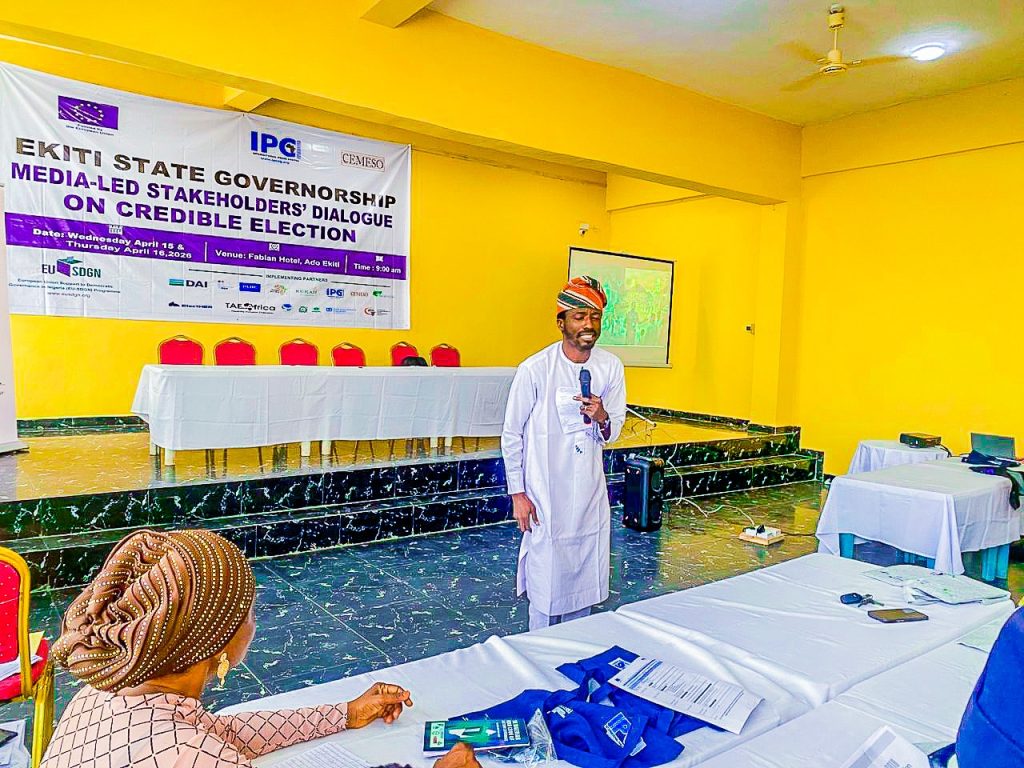
Delivering a lecture earlier on “Ekiti Governorship Election in the Context of Agenda Setting: Dissecting the Issues, Appraising Media Role,” a Professor of Mass Communication at the Federal University, Oye Ekiti, Adebola Aderibigbe, called for a shift from personality-driven narratives to issue-based reporting.
He warned against sensationalism, stressing that responsible journalism is key to sustaining democratic values and preventing electoral conflicts.
“Reports must be factual, balanced and verifiable. Elections should be defined by issues, not personalities,” he said.
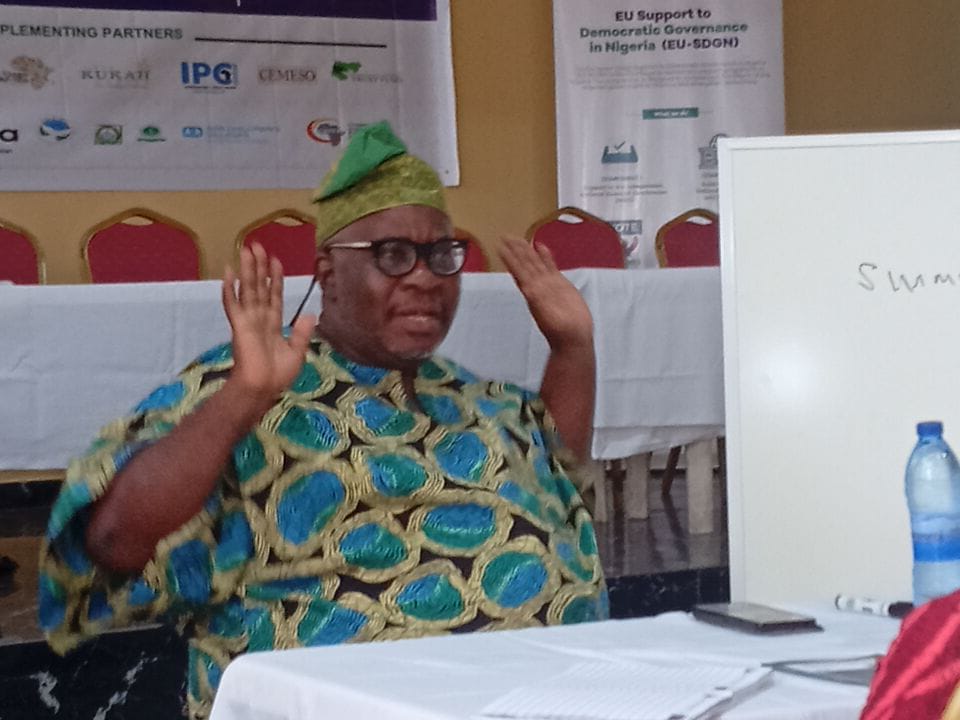
Also, Director of Journalism Clinic, Mr Taiwo Obe, exposed participants to modern techniques in election reporting, with emphasis on the use of digital tools and artificial intelligence in news production.
He urged journalists to embrace technological innovations to remain relevant in a rapidly evolving media landscape, noting that changing patterns in news consumption demand new skills and adaptability.
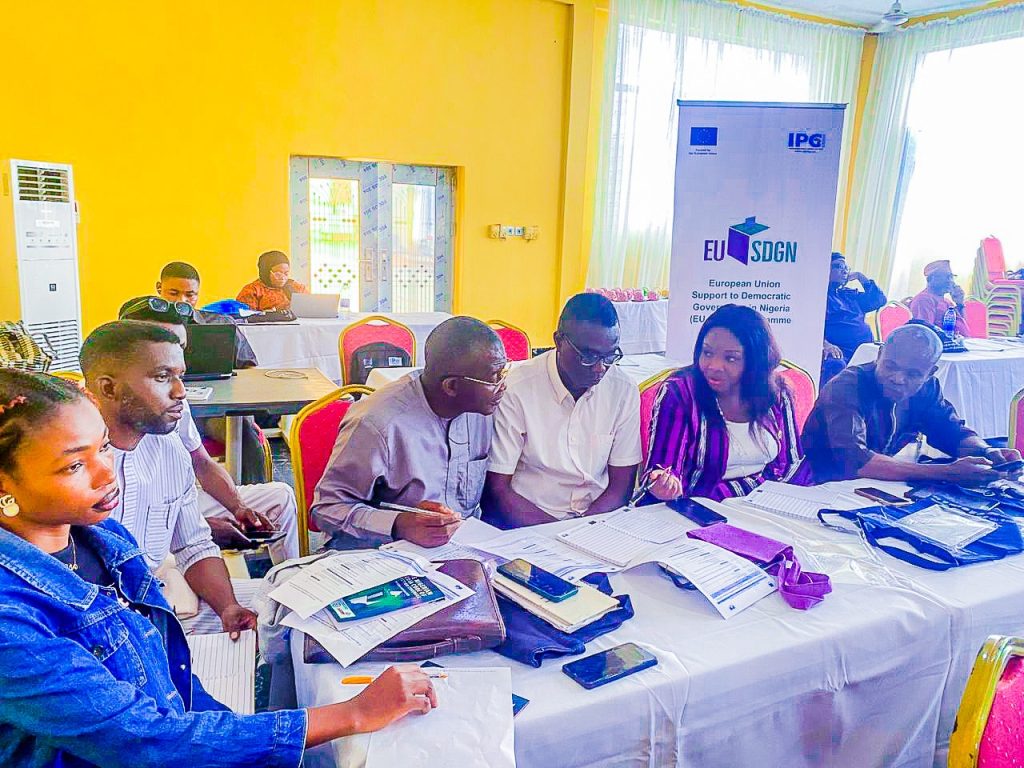
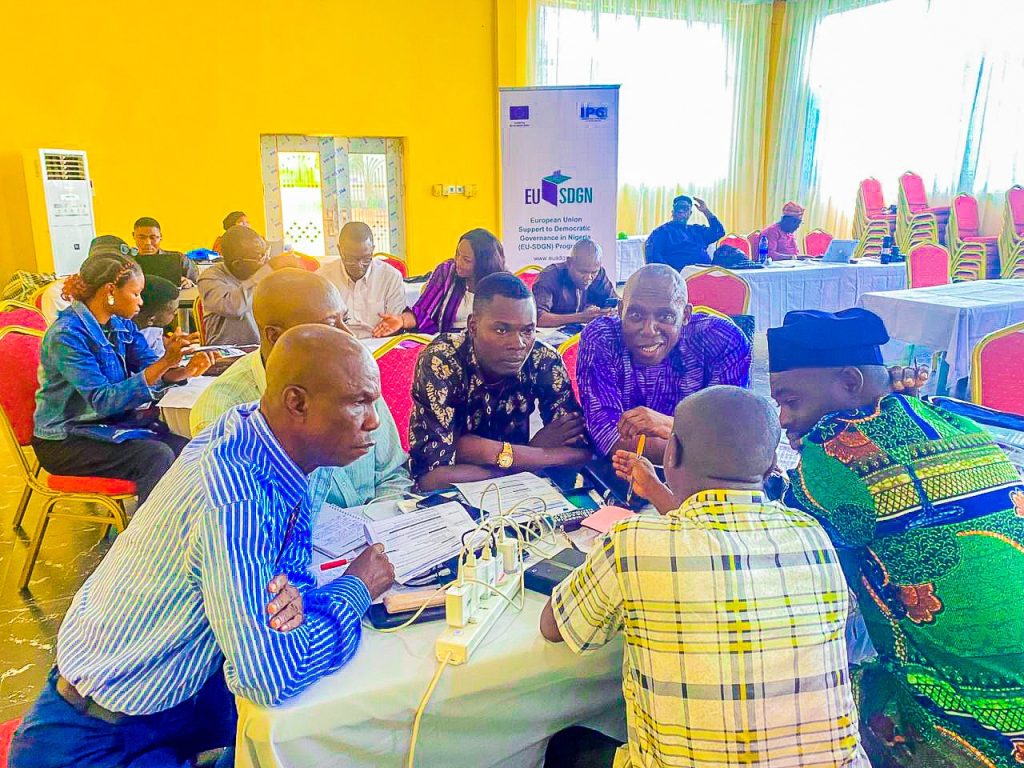
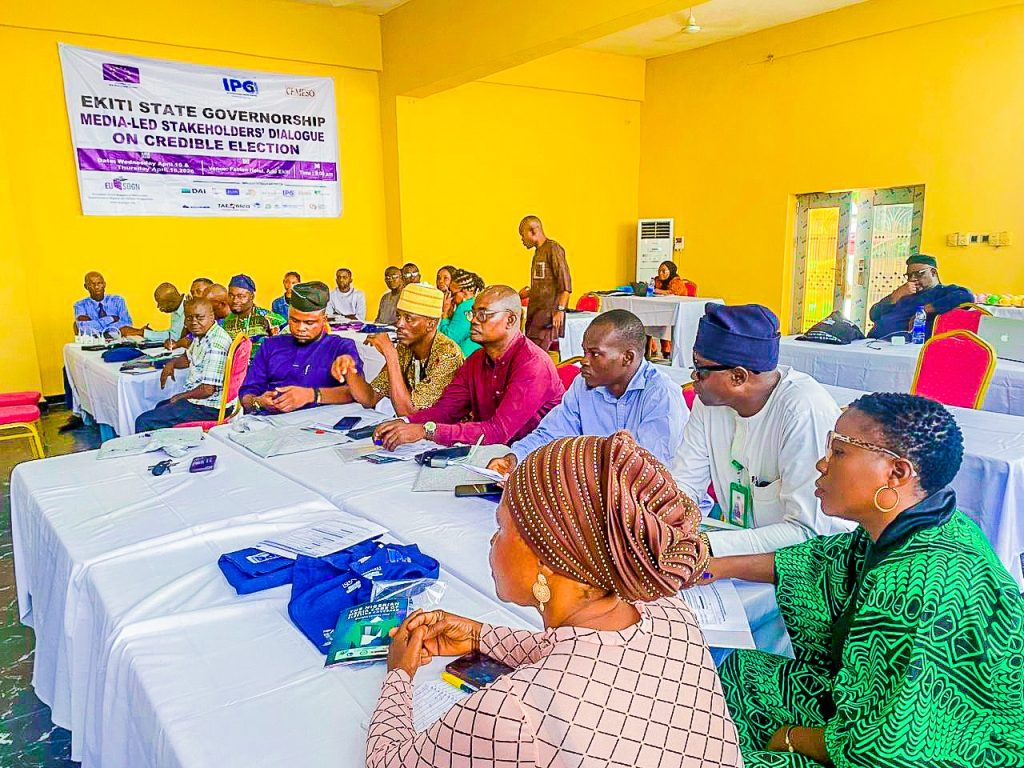
The workshop featured interactive sessions where participants exchanged ideas, raised concerns and proposed solutions aimed at improving election coverage and strengthening democratic governance in Ekiti State.
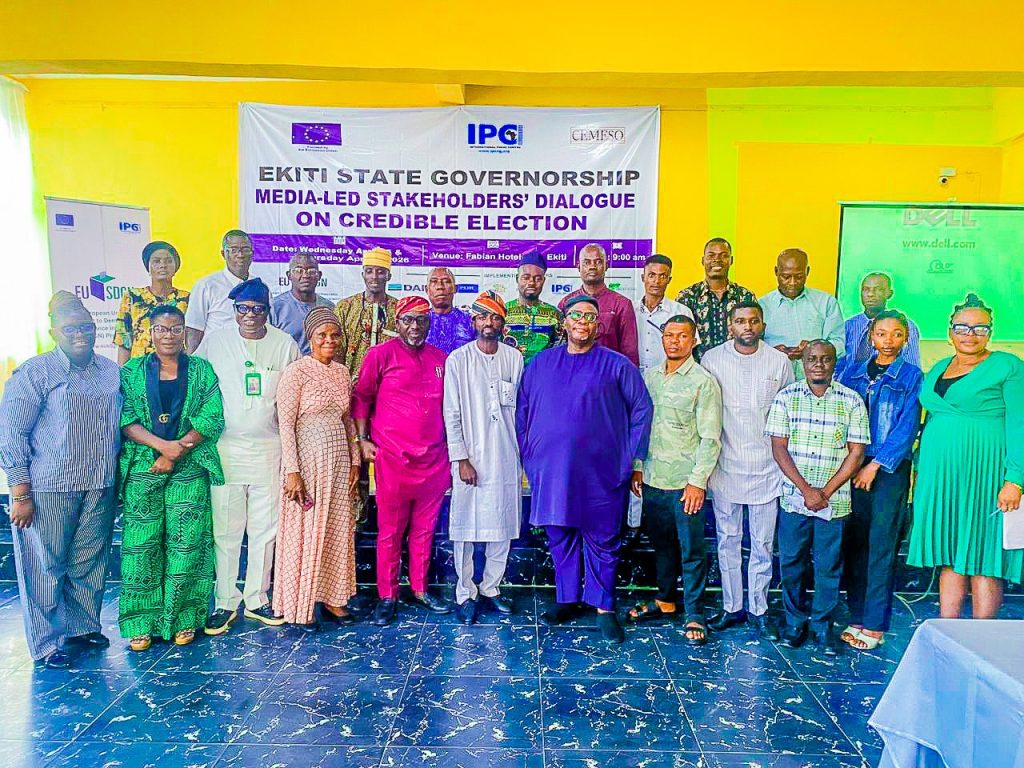
Stakeholders at the forum unanimously agreed that credible elections are a shared responsibility, requiring sustained collaboration, ethical journalism and active citizen participation.
